
- Alabama
- Alaska
- Arizona
- Arkansas
- California
- Colorado
- Connecticut
- Delaware
- Florida
- Georgia
- Hawaii
- Idaho
- Illinois
- Indiana
- Iowa
- Kansas
- Kentucky
- Louisiana
- Maine
- Maryland
- Massachusetts
- Michigan
- Minnesota
- Mississippi
- Missouri
- Montana
- Nebraska
- New Hampshire
- New Jersey
- New Mexico
- New York
- North Carolina
- North Dakota
- Ohio
- Oklahoma
- Oregon
- Pennsylvania
- Rhode Island
- South Carolina
- South Dakota
- Tennessee
- Texas
- Utah
- Vermont
- Virginia
- Washington
- West Virginia
- Wisconsin
- Wyoming
How to Conduct a Nevada Business Entity Search
Page Navigator
- How to Conduct a Nevada Business Entity Search
- Allowable Entity Types in Nevada
- Why Search for a Nevada Business Entity
- How to Search for Business Entities
- What Information Can You Find with the Secretary of State?
- How to Access Detailed Information
- What Business Entity Information is Not Public
- How to Find EIN and UCC Records in Nevada
- EntityCheck Business Background Check Helps You Find Even More
- Alternative Resources Beyond the SOS (Secretary of State) Search
- How to Find the Owner of a Business Entity in Nevada
- Additional Resources for Business Ownership Info
- Types of Owners and Their Roles
- Red Flags to Look for When Searching Business Entities
- Best Practices When Reviewing Business Entity Records
- How to Register an Entity in Nevada
- How Much Does It Cost To Start a Business in Nevada
- FAQs

According to the Nevada Secretary of State, as of March 31, 2025, Nevada had 440,008 active registered businesses. This total includes both registered Title 7 entities, like corporations and LLCs, and Non-Title 7 entities, such as sole proprietorships and general partnerships. Nevada also has 3,497 foreign entities.
Registering a company in Nevada offers some significant advantages, like a business-friendly environment with no state corporate tax, personal income tax, or franchise tax. The state also provides high levels of corporate privacy (no public disclosure of members/owners), strong asset protection laws, and a flexible ownership structure with no residency requirements for directors and no minimal capital requirements. Nevada does not require corporations to hold directors' or stockholders' meetings in the state of Nevada. They can be held anywhere on the globe.
The top industries in Nevada include tourism and gaming, mining operations (gold), aerospace, defense, logistics and transportation, technology, and IT. Emerging industries, such as health and medicine, and green energy, are also gaining a foothold in Nevada. The state is home to the corporate headquarters of companies such as Allegiant Air, U-Haul, and Caesars Entertainment.
Allowable Entity Types in Nevada

Nevada allows for numerous business entity types, including various forms of Corporations (profit (C-Corp/S-Corp), Nonprofit, Close, and Co-ops), Limited Liability Companies (LLCs), Partnerships (including General Partnerships (GP), Limited partnerships (LP), and Limited Liability Partnerships (LLP)), Business Trusts, and Sole Proprietorships.
Company owners choose the structure based on the number of owners, liability protection needs, and tax implications. The most common types of business entities in Nevada are corporations and LLCs.
Why Search for a Nevada Business Entity

Searching for a Nevada business entity is crucial to ensure your chosen business name is unique and to avoid legal conflicts by complying with state guidelines for name availability. Before engaging in business or forming a new entity in Nevada, you should search to check if a similar name is already registered, ensuring your desired name is distinguishable, and confirm the entity's legal status (active, dissolved, or revoked).
Some other reasons you might want to check into a Nevada business entity include:
State Compliance: To fulfill state requirements for registering a new business.
Due Diligence: To check the standing and compliance status of a potential partner or supplier's business entity in Nevada.
Understanding Legal Status: To determine if an entity is "Active" (in good standing) or in a status like "Revoked," "Expired," or "Dissolved," which can signal financial issues or legal non-compliance.
Avoiding Legal Issues: To prevent potential legal challenges from owners of similar businesses, and ensure your chosen name is distinguishable.
Gathering Information: Gathering information about a specific business for contracts, due diligence, or other legal research.
Investigate: Investigate an LLC or corporation before doing business with them.
Competitors: Gathering information about competitors.
Investing: Conducting thorough due diligence when acquiring or investing in a business.
Registered Agent: Looking up a registered agent for service of process.
Research: Accessing other business filing information for research or to confirm the legitimacy of a company before partnering with them.
Trademarks: Searching for registered trademarks to avoid conflicts.
How to Search for Business Entities

Nevada business entity records are accessible on the Nevada Secretary of State's website. You can search them by visiting this tool and choosing your search criteria. Your options when searching are as follows:
Business Entity Name: Use the full or partial name of the business.
Business Entity Number: Conduct a records search using the business entity number.
NV Business ID Number: Use the Nevada business identification number to search entity records.
Officers First, Middle, or Last Name: Conduct entity searches using the first, last, or middle name of the business owner.
Registered Agent Name: Using the full or partial name of the registered agent to conduct business entity searches.
Once you enter the search criteria and click "Search," you can review your search results.
What Information Can You Find with the Secretary of State?
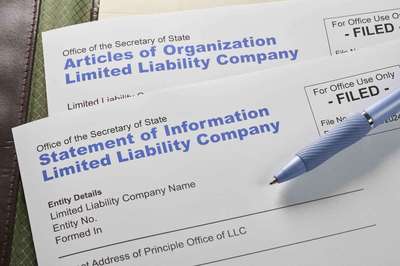
A search on the Secretary of State's website will provide basic information first. The search result displays the business name, business status, filing date, type of business entity, Nevada business ID number, compliance hold, prior name match, entity number, and mark number.
How to Access Detailed Information

Clicking on the business entity name provides more detailed information about the company. Typically, you may access information such as:
Entity Number: Contains the business entity number comprising numbers and letters.
Entity Status: The status of the business. This could be active, canceled, dissolved, merged, registered, revoked, terminated, or withdrawn.
Entity Type: The type of business entity registered.
Formation and Termination Date: The date the business was incorporated and the proposed date the business intends to stop operations.
Registered Agent Details: The name and office address of the registered agent responsible for receiving legal documents on behalf of the business.
NV Business ID Number: The Nevada business ID number consists of letters and numbers.
Annual Report Due Date: The precise date the company makes its annual report available.
Registered Agent Information: The name of the registered agent, their status, contact and mailing address, position, and registered agent type.
Officer Information: The title, name, address, and status of officers of the business.
If you require assistance with the search process, you may contact the Nevada Secretary of State's Office.
What Business Entity Information is Not Public

In Nevada, the identities of the non-managing members of a Limited Liability Company (LLC) are not public, creating a form of anonymity for ownership. While managing members or managers are required to be listed in filings, the names and contact information of non-managing members are not disclosed on public records, offering some owners increased privacy.
Other information that is not public in Nevada includes:
Trade Secrets: Formulas, processes, methods, or other proprietary information that derives economic value from not being generally known to the public and is the subject of reasonable efforts to maintain its secrecy.
Private Employee Medical Records: Medical and health insurance information.
Customer and Employee Identifying Information: Identifying information like Social Security Numbers, driver's license numbers, and passport numbers.
Revenue and Profit Numbers (unless a public company): Smaller companies that are not publicly traded can keep their financial data private.
Financial Data: Bank and credit card numbers, as well as loan information.
How to Find EIN and UCC Records in Nevada

To find EIN (Employer Identification Number) records in Nevada, check your business documents, call the IRS, use the Nevada Secretary of State's Silverflume portal for business filings, search the IRS Tax Exempt Organization Search for nonprofits, or look at a business's public SEC filings for large companies. If it's your own EIN, the most reliable methods are your EIN confirmation letter, tax documents, or bank records. Did you know you can also find EIN records in Nevada using EntityCheck?
To find UCC filings for companies in Nevada, visit the Nevada Secretary of State website and search their UCC system for the debtor's name or other relevant information. However, you may need to consult other resources or seek professional services for comprehensive results or to obtain assistance with filings.
EntityCheck may be able to help you find UCC filings in Nevada.
EntityCheck Business Background Check Helps You Find Even More
An even more insightful way to search for Nevada business entities and access additional information is to utilize EntityCheck's powerful search engine. Search quickly and easily by business name, EIN, owner, phone number, or email address. Along with the information above, you can dig deeper to find incredibly illuminating details such as:
 UCC Filings:Discover Uniform Commercial Code (UCC) filings, showing creditors' attachment to business assets. These files provide insight into the organization's financial stability through its standing debts and resulting risk. Additionally, you can find lien details, creditor and debtor information, filing and expiration dates, as well as collateral and asset claims.
 Court Cases:Evaluate a company's legal record to assess potential risks associated with its operations and identify any outstanding issues. Review bankruptcy filings, liens and judgments, federal court cases, litigation, and legal history of ongoing and past court cases.
 Licenses:Verify business credentials, including licenses, permits, and government certifications, as well as the educational backgrounds of decision-makers, to assess credibility.
 Filing & Compliance:Review a company's financial performance reports, DBAs (Doing Business As), and government Tax IDs.
 Trademarks & Patents:Find out what intellectual properties a company controls and review the details of any trademarks and patents it holds.
 Registered Individuals:Identify key decision-makers, registered agents, corporate officers, and leadership, even if this information is not readily available through official records.
Alternative Resources Beyond the SOS (Secretary of State) Search

Data on Nevada companies is spread among various government offices and agencies. There is no central government database that consolidates all information in one place. However, using the links below, you can search the most common data repositories and find out quite a bit about a company.
You may search business entity records from the following websites:
Nevada Secretary of State: The Nevada Secretary of State is the third-highest ranking state official who is elected to a four-year term. The office is responsible for maintaining the official records of the acts of the Nevada legislature and the executive branch of the state government. Some of the duties of this agency are supervise state and local elections, handle business registrations for LLCs, partnerships, and corporations, register trade names, trademarks, professional corporations and associations, and rights of publicity, records UCC (Uniform Commercial Code) statements and documents, regulates the state's securities industry and enforces securities law, licenses and regulates athletes' agents, registers domestic partnerships, and maintains the state Advance Directive Registry and Guardianship Nomination Registry through Nevada Lockbox.
Nevada Department of Taxation: The Nevada Department of Taxation is the primary organization responsible for the collection of revenue through taxes and fees. The revenue helps support the State General Fund, education fund through the State Pupil-Centered Funding Plan, local government budgets, and the State Debt Service Fund. This office's goal is to make sure the tax system in Nevada is run fairly, efficiently, and effectively.
Nevada State Contractors Board: The Nevada State Contractors Board (NSCB) primarily licenses and regulates contractors to protect the public by ensuring they operate according to Nevada-specific standards of financial and professional responsibility. The Board performs background checks, administers licensing exams, verifies financial stability, and investigates complaints to maintain quality and prevent unlicensed work. Their goal is to protect consumers and keep the public safe by ensuring they hire qualified professionals.
Nevada Department of Employment, Training, and Rehabilitation: The Nevada Department of Employment, Training, and Rehabilitation (DETR) manages the state's workforce by overseeing unemployment insurance, providing resources for job seekers and employers through the EmployNV network of American Job Centers, and supplying economic and workforce data through its Research and Analysis Bureau.
Nevada Division of Insurance: The Nevada Division of Insurance (NDOI) regulates the state's insurance industry by licensing insurance companies and professionals, ensuring companies are financially solvent, and overseeing the entire insurance industry to prevent fraud and ensure fair treatment of consumers. The NDOI investigates consumer complaints, resolves disputes, and provides educational resources on insurance.
Nevada Public Utilities Commission: The Public Utilities Commission of Nevada (PUCN) regulates investor-owned and some municipal utilities to ensure they provide safe, reliable, and reasonably priced service to customers, overseeing their rates, service quality, and service territories in areas like electricity, natural gas, water, and telecommunications. The agency enforces state laws passed by the Nevada Legislature, ensuring utilities comply with requirements, such as Renewable Portfolio Standards (RPS), and reviews utility filings to maintain these standards.
Nevada County Clerk Offices: The Nevada County Clerk offices are often combined with the County Recorder and are responsible for maintaining public records such as marriage licenses, birth and death certificates, and real property records at the county level. They also serve as the record keeper for the county government and courts, preserving documents and ensuring the integrity of local government and the judiciary. They provide access to public records upon request and issue permits for local events. The offices also support various county functions, ensuring official county records and vital services are maintained.
How to Find the Owner of a Business Entity in Nevada

Public search engines may sometimes yield information on the identity of business entity owners in Nevada. However, these options often lack detailed information or may include inaccuracies, as many businesses do not publicly disclose their ownership structure details. Therefore, utilizing government databases to access business entity records may yield more detailed and accurate results.
The Nevada Secretary of State provides an up-to-date official business entity search tool, the Business Entity Search, that offers detailed and reliable information about owners, registered agents, and directors of businesses registered in the state.
Additional Resources for Business Ownership Info

Other resources that provide information on business entity owners in Nevada include:
Chambers of Commerce:
Local chambers of commerce offer services and resources to assist Nevada businesses. Typically, they maintain public directories of business entity records, which may include information on business entity owners.
Better Business Bureau (BBB):
The Better Business Bureau offers free access to companies' profiles throughout the United States, including Nevada. Users may view information on business entities and their owners in the state.
Public Records:
Public records, including real estate, tax, and court records, may also provide access to information on owners of Nevada business entities.
Types of Owners and Their Roles

Nevada allows various business entities, which shape the ownership type and roles. These include Sole Proprietors, Partners, Limited Liability Company (LLC) Owners, and Corporate Shareholders, each with distinct legal structures, liability protections, and roles. The types of owners and their roles are explained below:
Sole Proprietor
A single individual who owns and operates the business alone. The sole owner is responsible for all business operations, decisions, and liabilities. They are legally and financially intertwined with the company. Sole proprietors doing business in Nevada must maintain a State Business License, which they can get through the Nevada Secretary of State's SilverFlume portal.
Partners
Two or more individuals who jointly own and operate a business. Partners share control and responsibility for the company. They also share in the potential profits and losses. A significant risk is unlimited personal liability, meaning each partner's personal assets can be at risk for business debts and decisions made by any of the partners.
Limited Liability Company (LLC) Owners
Individuals who own interests in a Limited Liability Company. LLC owners, called members, enjoy limited liability protection, meaning their personal assets are protected from business debts. They can also participate in the management of the business, similar to a partnership, or they may be a silent partner investing only. An LLC offers a blend of the liability protection of a corporation and the operational flexibility of a partnership.
Corporate Shareholders
Individuals or entities who own shares in a corporation. Shareholders own the corporation and have a claim on its assets and earnings. A corporation is a separate legal entity from its owners. Shareholders are generally protected by limited liability, and their personal assets are not typically at risk for corporate debts.
Some additional corporate roles include:
Directors
- Role: Directors set the strategic course for the corporation, make major decisions, and oversee the conduct of the officers.
Officers
- Role: Officers, such as presidents and secretaries, manage the day-to-day operations of the business and are hired and fired by the Board of Directors.
Different entity structures have various roles and types of ownership. Some individuals who have control over a company may not hold a traditional role within it. Leadership is a crucial factor to understand before working with a company.
Red Flags to Look for When Searching Business Entities

Partnering with businesses, even as suppliers or customers, can harm your business if they are involved in any criminal activities or fail to operate responsibly. When researching these companies, look for red flags like unregistered status, a history of regulatory or legal issues, a lack of financial transparency, poor financial health (like excessive debt), and a reliance on a few key individuals. Verify their registration with the Secretary of State, ask for documentation to fill in any blanks, and conduct your own research using tools like the EntityCheck business background report.
Some of the red flags to watch out for in Nevada include:
Entity Status Problems

First, verify that the business does have a registered legal entity (LLC, corporation) in Nevada. Check the Nevada Secretary of State's database for any entities in default for failing to file required annual reports or fees. Also, find out if the business operates in a regulated industry without the necessary licenses or permits.
The Nevada Secretary of State provides additional information on reporting a forged or fraudulent filing company within the state.
Inconsistent or Suspicious Information

Before engaging with any Nevada company, pay attention to its business information. If you notice their business name is spelled differently in various places or in different versions. Be cautious of frequent changes in the address or registered agent, as this may indicate instability or an attempt to evade service of lawsuits. If the company has no physical address, only a P.O. box, be wary.
Many Nevada companies operate under Trade Names. DBAs are registered with the county clerk's office. Although there is nothing inherently wrong with it, some companies may use a DBA to conceal information about their owners or activities. Be sure to check for registered DBAs before proceeding.
Ownership and Management Concerns

How a company is managed can also reveal a great deal. Does the company have high turnover or a poor reputation online? Check reviews and the company website to see if the company appears legitimate. Does the business rely too heavily on one or a few key individuals or employees? This could pose a severe risk to its continuity and indicate a problem with management.
If the company's records do not clearly indicate who owns it, or if members appear to be fake rather than real people, that could suggest some form of fraud or other criminal activity. Frequent turnover in leadership positions also suggests serious problems. Hidden ownership, especially in high-risk industries, is also a considerable concern, indicating possible drug trafficking or money laundering. Consider skip tracing or other background check methods to gather as much information as possible about the individuals running the company.
Financial Warning Signs

The financial health of a company can directly impact your business if you are not careful. Watch out for any business that carries a high level of debt that could limit its future financial flexibility. Incomplete or inconsistent financial statements, profit and loss statements, or balance sheets are a serious red flag. Investigate whether the company has excessive or unaccounted-for cash transactions that suggest financial irregularities. Be cautious of businesses with assets that seem overvalued, as this may conceal underlying financial issues.
Legal and Compliance Issues

Legal or compliance issues with a new partner could complicate your life. When researching, pay particular attention to any company with unresolved legal matters, pending lawsuits, or zoning violations that could become your problem. A history of regulatory violations or non-compliance with state and federal regulations is a major concern. Another red flag is the company's unwillingness to share essential documents, such as incorporation papers or a tax ID.
Some of the most common types of business cases in Nevada evolve around contract disputes, employment issues (including non-competes and wage disputes), partnership disagreements, and intellectual property claims. Given Nevada's diverse business environment and growth, other common cases include real estate and lease conflicts, fraud, product liability, and disputes related to mergers and acquisitions.
Business Purpose and Industry Red Flags

Many companies are designed to serve a need or produce a product or service for the general public. If a company claims its purpose is one thing but then engages in activities that are inconsistent with that purpose, it may indicate criminal activity or fraud.
Some common fraudulent companies in Nevada include prime bank schemes, cryptocurrency scams, real estate scams (such as vacant lot fraud), and moving company scams. Pay close attention when dealing in any of these industries.
Connections & Affiliations

A company's connections and affiliations can tell quite a story. Sometimes one person runs multiple dissolved/failed companies. Look for repeat patterns of dissolutions followed by new formations. That is a significant indicator of potential fraud. One thing to be cautious of is a company with ties to organized crime figures and politically exposed persons (PEPs). If the company makes a concerted effort to conceal its actual owner or person in charge, that should be a clear warning to stay away.
Some red flags in broader business records include the following:
Inconsistent Public Records
Company filings don't match what's listed in:
Court records
Tax records
Property ownership filings
An example of this is that the registered address differs from the address in lawsuits or liens.
Poor Record-Keeping
Missing meeting minutes (for corporations).
No updated ownership/member list for LLCs.
Lack of transparency in accounting records.
Regulatory Issues
Fines, sanctions, or loss of licenses with state agencies.
Businesses flagged by the Better Business Bureau or the Attorney General's office.
Unusual Patterns
Very recent incorporation with sudden high activity.
Foreign entities registered but not compliant with local laws.
Shell-company indicators (multiple entities tied to the same registered agent at the same address).
Best Practices When Reviewing Business Entity Records

Utilize the best practices outlined below to maximize the benefits of your research. A business background check can take time, but it can yield a wealth of information that could help you avoid any costly mistakes. - Cross-reference everything.
Compare the UCC filing data with records from litigation and bankruptcy courts. Look for discrepancies between the documents.
Check annual reports for consistency year-over-year.
Research the owners of a company to detect possible bankruptcies, felonies, fraud, and other legal issues that could affect your business.
Use business verification services or business background reports from EntityCheck.
Keep in mind the context. For example, a single lien may not be alarming, but multiple filings, lawsuits, and frequent leadership turnover together signal real risk.
How to Register an Entity in Nevada

There are several steps involved when setting up a business entity in Nevada. Generally, the management structure and type of business impact the business setup. In Nevada, the most common type of business set up usually falls under one of the following:
Nonprofit Organizations: These entities operate without the intention of generating profits. They are organized for charitable, religious, or educational purposes.
Profit Entities: Created to remit profits to its shareholders.
Professional Corporations: Formed by licensed professionals such as architects and doctors to provide regulated services.
Foreign Organizations: Entities established outside of Nevada but that wish to operate within the state.
After determining your business structure, you may set up your business entity per the state's requirements using the following steps:
Determine the availability of your preferred business name. This is an essential step that you can do through the Secretary of State's website. If you do not check the name first, your application could be rejected.
File your Articles of Organization or Incorporation online.
Obtain relevant city or county business licenses.
Obtain a professional license, if necessary.
Register your business with the Nevada Department of Taxes.
File Beneficial Ownership Information (BOI).
Obtain an Employer Identification Number from the Internal Revenue Service (IRS).
Use the Guide to Starting and Growing a Business in Nevada, to assist you with setting up your business entity.
How Much Does It Cost To Start a Business in Nevada

Starting a business in Nevada involves various costs, depending on the type of business entity you choose, as well as additional expenses such as operational costs, licenses, and permits. Nevada business license fees are as follows:
Corporations:
$500
All other Business Types:
$200
The cost to renew the license is the same as registering a new business. Additionally, there is a fee to obtain local licenses and permits. This cost varies by city and county, as well as by business type and activities. Generally, local licenses and permit fees start from $45.
When naming your new company, you must follow Nevada's strict naming guidelines. They are as follows:
Along with the excitement of forming a new business, there are numerous responsibilities. One of which is naming your company. To do this, you need to follow the strict Nevada business name rules to ensure your registration won't be rejected. You should come up with a name that accurately reflects your business and what it does. Use the helpful Nevada business naming guidelines below to get started:
Check for Name Availability: First, you must check the Nevada Secretary of State's online database to ensure the name is not already in use. Online business entity searches are free to the public.
Make it Unique: Make your name unique and clearly distinguishable from all other registered businesses in the state.
Use the Required Legal Indicator: Your name must also include a designation indicating the business type. That means if you form an LLC, you must add "Limited Liability Company," "LLC," or "L.L.C." to the end of the name. If you have a corporation, you must add "Corp.," "Corporation," "Incorporated," "Inc.," or "Company" to the end of the business name.
Avoid Prohibited Words: You cannot use words that imply an affiliation with the government (e.g., FBI, Treasury, etc.) or words related to banking, finance, and insurance without specific approval. You cannot use the words "engineer" or "professional engineer" either.
Register a DBA (if needed): If you plan on operating under a name that is different from your official registered name, you must register a fictitious name or DBA (doing business as) with the county clerk where your business is located.
Obtain Professional Licenses: If your business is in a specialized industry like law, medicine, or accounting, you will need professional licensing to register your company name. You will need to document the license when registering.
Avoid Trademark Conflicts: To avoid any legal issues or trademark infringement, before you register your company name, check the U.S. Federal Trademark database to see if anyone else in the country is using it.
FAQs
- How do I look up who owns an LLC in Nevada (members vs. managers)?
To find an LLC's owners (members or managers) in Nevada, use the state's online business entity search tool, SilverFlume, to access public records, which include the names of managers or managing members. Nevada law requires LLCs to file this information with the Secretary of State, but not the names of non-managing members, ensuring only the managers' names are typically public.
- How can I find a corporation's officers and directors in Nevada?
To find a Nevada corporation's officers and directors, use the Nevada Secretary of State's online portal to access the Annual List of Officers, which includes their names. You can search for the corporation by name on the portal, and this document provides the details you need.
- Are business owners' names public or private in Nevada?
In Nevada, the names of business owners are not required to be listed on public records, allowing for a high level of privacy, especially with LLCs. While the state requires a list of managers or managing members to be filed, the names of non-managing members are not made public. This makes Nevada a popular choice for forming "anonymous" or "confidential" LLCs, where owner identities are kept private from the public.
- Where do I search official business records in Nevada?
You can search for official Nevada business records through the Nevada Secretary of State's website. This is the central state agency for business entity information. For broader state business-related transactions, visit the SilverFlume online portal. For specific local business records, you would contact the relevant county or city clerk's office.
You can also use a professional business background service like EntityCheck to find vast business records.
- How do I check if a business name is available or reserved in Nevada?
To check if a business name is available or reserved in Nevada, search the Nevada Secretary of State's website for existing business entities and use the United States Patent and Trademark Office (USPTO) website to search for federal trademarks. Additionally, you should perform general internet and social media searches to find any informal or unregistered uses of the name to cover all your bases.
- How can I view recent filings (Articles, amendments, mergers, annual/biennial reports) for a company in Nevada?
To view Nevada business filings, use the Nevada Secretary of State's free online Business Entity Search. Search by company name to find the entity's details and access its filing and name history, which includes Articles of Incorporation, amendments, annual/biennial reports, and information on mergers, conversions, exchanges, trademarks, trade names, and service marks.
- How do I get a Certificate of Good Standing/Existence in Nevada?
Nevada only supplies a Certificate of Good Standing for companies that are up to date with their annual filings and fees. You can order one for a Nevada company online, by mail, or by fax from the Nevada Secretary of State's office, which costs $50 for a standard certificate. If ordering by mail, send a written request to the Nevada Secretary of State at 401 North Carson Street, Carson City, Nevada 89701-4201.
- How do I obtain certified copies of formation documents and amendments in Nevada?
To get certified copies of formation documents and amendments for a Nevada company, you must submit a written request, along with the required fee, to the Nevada Secretary of State's Commercial Recordings Division. You will need to provide the exact name of the business, the document you are requesting, and a mailing address for delivery. You can request these documents by mail or fax, and the processing time could be only a few days or a few weeks.
- How do I search UCC (Uniform Commercial Code) liens against a company in Nevada?
To search for UCC liens against a company in Nevada, use the Nevada Secretary of State's online portal and search public records. You will need to create an account if you don't already have one. You can then search using the debtor company's name. Remember to use the exact legal name of the company and search for any variations, such as former names or "doing business as" (DBA) names, to find what you are looking for.
A more effective approach to searching for UCC liens is to utilize EntityCheck's robust business information platform.
- What are the steps to register an LLC in Nevada (forms, fees, timeline)?
To register an LLC in Nevada, you must file the Articles of Organization with the Secretary of State, along with the required Initial List of Managers and Members and State Business License. Your upfront costs will total $425. If you register online, it could be approved within as little as 24 hours, whereas if you file by mail, it could take several weeks (typically 3 to 4). After registering, the state recommends that you create an operating agreement to outline everyone's roles and responsibilities.
- What are the steps to incorporate (C-Corp/S-Corp) in Nevada?
To incorporate in Nevada, you must choose a name, appoint a registered agent, and file the Articles of Incorporation with the Nevada Secretary of State. After filing, you should draft bylaws, appoint directors, hold a board meeting, issue stock, and register for the necessary federal and state licenses and permits, including an EIN and a state business license. To form an S-Corp, you must also file Form 2553 with the IRS. The state also recommends opening a corporate bank account to separate the company's finances from the owner's personal accounts.
- Do I need a registered agent in Nevada, and who can serve as one?
Yes, you do need a registered agent in Nevada if your business is formed in Nevada or is a foreign entity conducting business there; anyone over 18 with a physical Nevada address and a reliable business-hours presence can serve as one, including yourself, another individual, or a third-party company. A registered agent receives important legal and official mail. You can act as your own agent if you have a physical address in Nevada and are available during regular business hours.
- What annual reports, franchise/margin taxes, or license renewals are required in Nevada?
Nevada has no franchise tax, corporate income tax, or personal income tax. However, the state does require Annual List reports and a $150 fee. Companies must also pay an annual Business License registration fee of $500. The State Business License and Annual List of directors are renewed together.
- How long does state approval take in Nevada, and are expedited options available?
Standard Nevada state approval typically takes 3–4 business days for online LLC filings and 3–4 weeks for mail-in filings. Expedited options are available for an additional fee, including 24-hour ($125), 2-hour ($500), and 1-hour processing ($1,000), with the fastest options being much more expensive.
- Do I need to foreign-qualify to do business in Nevada if my company is formed elsewhere?
Yes, you must foreign-qualify to do business in Nevada if your company is formed in another state and you are transacting business there. This means registering your business with the Nevada Secretary of State, which is a legal requirement to avoid penalties and maintain access to the state's court system. "Transacting business" generally means conducting regular business activities, not just occasional transactions.
- What activities count as "doing business" in Nevada (nexus triggers: employees, office, sales)?
In Nevada, "doing business" generally includes engaging in purposeful activities for profit, such as having a physical presence (like a store or office), employing people, or accepting orders within the state. However, the specific activities that trigger the need for a state business license and registration can vary. Certain activities, such as maintaining a bank account, holding meetings, or securing or collecting a debt, are not considered "doing business."
- How do I file a DBA/fictitious business name in Nevada, and is county/city filing required?
To file a DBA in Nevada, you must file a "Certificate of Business: Fictitious Firm Name" with the County Clerk in each county where you conduct business, not the Nevada Secretary of State. You can file online through the SilverFlume portal or submit a paper form in person. A city filing is not separately required, as county-level registration is sufficient, but you may need to meet city-specific licensing requirements.
- How do I change my company's name, address, officers, or members in Nevada?
To change your company's information in Nevada, you must file an amendment with the Nevada Secretary of State, using an online portal like SilverFlume or a paper form, to update the name, address, or officers/members. The required form and specific process depend on your business entity type, but the amendment must be submitted with the necessary filing fees. You must also make the same changes to your business licenses and tax documents.
- How do I reinstate or revive a company that's been administratively dissolved in Nevada?
To reinstate an administratively dissolved Nevada company, you must first resolve the compliance issues that caused the dissolution, such as filing any overdue annual reports and paying all back taxes, fees, and penalties. Next, file a Reinstatement Application with the Nevada Secretary of State – Commercial Recordings Division and pay the required $300 fee. You may also need to submit a Certificate of Amendment if the business name is no longer available.
- Do I need to file Beneficial Ownership Information (BOI) with FinCEN, and how does that interact with Nevada filings?
No, U.S. companies no longer need to file BOI with FinCEN due to a recent rule change; only foreign companies registered to do business in the U.S. are now required to file. The BOI requirement was originally intended to combat illicit activities, but has been eliminated for domestic entities. This change means there is no longer a federal BOI filing requirement for U.S. businesses, but foreign entities that meet the criteria must still comply with the new deadlines and rules. Nevada's filings are a separate state-level requirement and are not impacted by this federal change.
Page Navigator
- How to Conduct a Nevada Business Entity Search
- Allowable Entity Types in Nevada
- Why Search for a Nevada Business Entity
- How to Search for Business Entities
- What Information Can You Find with the Secretary of State?
- How to Access Detailed Information
- What Business Entity Information is Not Public
- How to Find EIN and UCC Records in Nevada
- EntityCheck Business Background Check Helps You Find Even More
- Alternative Resources Beyond the SOS (Secretary of State) Search
- How to Find the Owner of a Business Entity in Nevada
- Additional Resources for Business Ownership Info
- Types of Owners and Their Roles
- Red Flags to Look for When Searching Business Entities
- Best Practices When Reviewing Business Entity Records
- How to Register an Entity in Nevada
- How Much Does It Cost To Start a Business in Nevada
- FAQs